Platform

Sensing, stimulation, and adaptive intelligence. One platform.

The BrainMod platform integrates dual-modality biosensing, clinician-directed neurostimulation, and a longitudinal client management workflow into a single system. Designed so a clinic can deliver a complete cognitive health program without stitching together separate vendors — or hiring a neurotech specialist to run it.

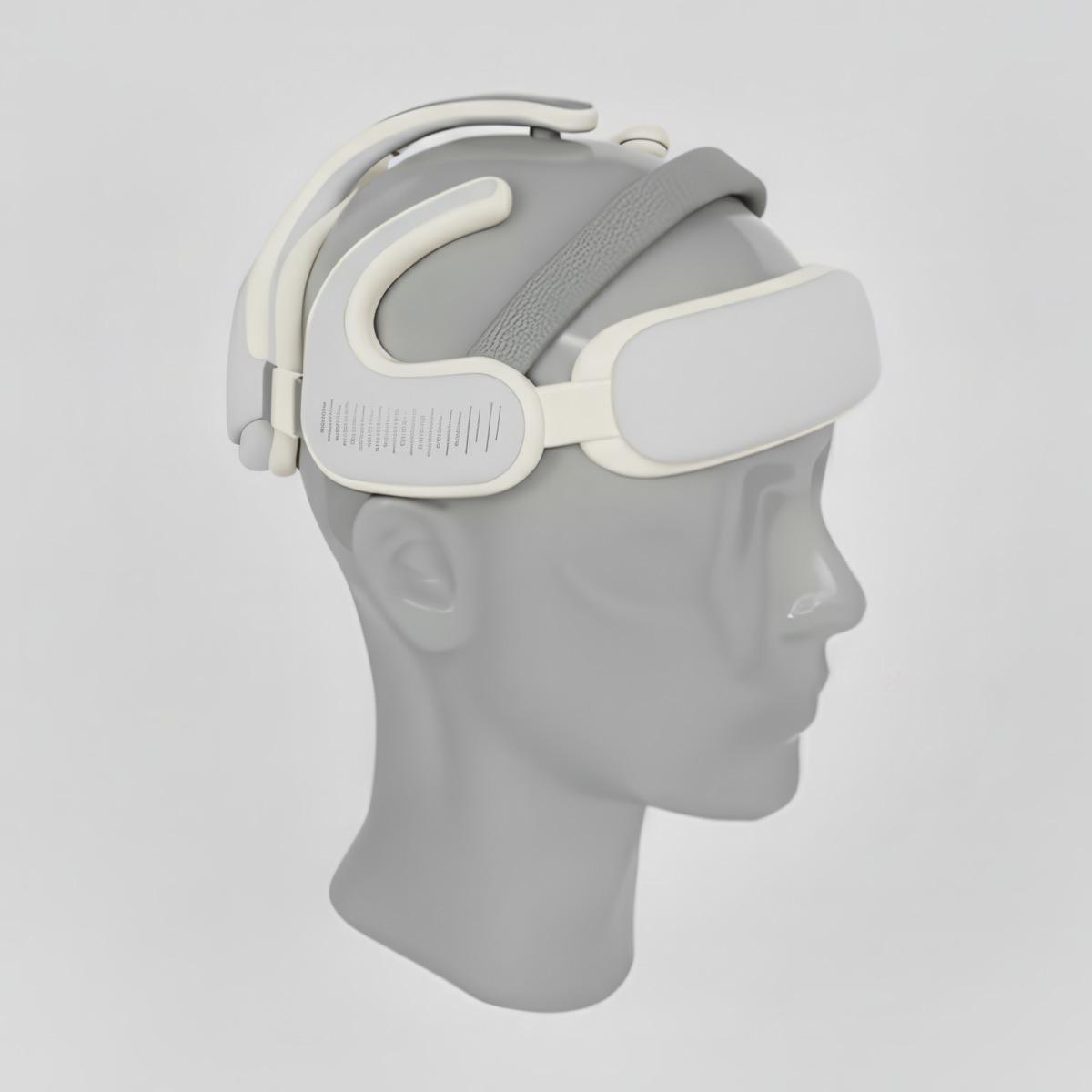
The BrainMod-1.0 headset rendered on a mannequin head, showing the EEG band and integrated TES electrodes
BrainMod-1.0 headset

19-channel EEG. Frontal fNIRS. Integrated stimulation. One wireless headset.

The BrainMod-1.0 headset combines sensing and stimulation in a single gel-free, wireless device. Nineteen scalp EEG electrodes capture the brain's electrical activity — frequency patterns that shift with cognitive state, stress load, and arousal. Three frontal fNIRS channels add a second sensing dimension: hemodynamic response, the rise and fall in blood oxygenation that reflects metabolic activity in the prefrontal cortex. Transcranial electrical stimulation (tDCS/tACS) is delivered through the same headset, with parameters set by your clinician in the portal before each session begins.

EEG and hemodynamic sensing are complementary, not redundant. Together they give the adaptive engine a multi-channel view of brain state that neither modality can provide alone — and a richer longitudinal record for your clinical team.

EEG channels 19
fNIRS channels 3 frontal
EEG IC ADS1299
Optical IC MAX86141
IMU LIS3DH
Sample rate 250 Hz
Adaptive intelligence

The platform learns across sessions. Not just within them.

Between sessions, BrainMod's classification engine evaluates the longitudinal EEG and hemodynamic data against validated neuroscience benchmarks, and surfaces protocol adjustment recommendations for your clinician to review before the next session. The recommendations are explicit: what the data shows, what adjustment is proposed, and why. Your team reviews, modifies if needed, and approves. Every session builds the model; the model improves the next session.

This is what separates BrainMod from a fixed-protocol device. The system adapts to each client's neurophysiological trajectory — not to a population average.

Legible recommendations

Every proposed protocol change is accompanied by the data rationale. No opaque outputs.

Clinician authority

The engine proposes; your clinician approves. Overrides are logged.

Longitudinal improvement

The longer a client is on the platform, the more precisely calibrated their protocol becomes.

Clinician portal

Everything your clinical team needs. Nothing else.

A seven-step onboarding wizard that takes a new client from first session to a clinician-reviewed treatment plan without requiring manual configuration. The portal consolidates everything your team needs to run a neuromodulation program: intake and contraindication screening, session scheduling, a validated survey library, lab integration, session notes, and the full longitudinal client timeline.

Seven-step onboarding

Intake forms, contraindication checks, baseline qEEG, and a clinician-reviewed treatment plan — in a single guided flow. Nothing starts until a clinician approves the plan.

Session scheduling

Recurring session templates, session-day pre-flight checklists, and a live recording view per clinician or per tech.

20-scale survey library

PANAS, PHQ-9, GAD-7, PSQI, and seventeen others — assigned per patient, auto-scored, tracked longitudinally.

38-analyte lab catalog

Import lab panels from any HL7/FHIR source. Cortisol, DHEA-S, thyroid, metabolic — trending alongside EEG data.

Clinician notes

Session observations alongside the EEG recording, time-stamped, exportable as a clinical summary PDF.

Patient timeline

All check-ins, journal entries, qEEG reports, and lab values on one longitudinal timeline per patient.

Patient PWA

The patient's side of the treatment.

Between sessions, the companion app keeps clients engaged and feeding data back into the clinical picture — without any manual data entry from your staff. Daily mood and energy check-ins, weekly validated surveys, and an optional journal (clinician-share is off by default, enabled by the client) all flow automatically into the portal timeline. Your team sees longitudinal context for every session without chasing it.

The app is how a 10-session program becomes a 6-week longitudinal relationship — and why clients return.

13 activity bundles

EEG neurofeedback games, CBT exercises, mindfulness practices, and cognitive training tasks — each recording live data back to the session row.

Daily check-ins

Mood, energy, and anxiety on one quiet screen. PANAS administered weekly. All outcome data visible in the clinician's timeline.

Journal

Free-text notes, photo attachments, optional voice memo. Clinician-share is one toggle — off by default, affirmatively enabled by the patient.

14metrics

Wearable context for every session.

BrainMod automatically ingests data from connected wearables — currently Fitbit, with Oura and WHOOP integration in development. Sleep stages, HRV, resting heart rate, and activity data display alongside the EEG timeline, giving your clinicians session-level context that goes beyond what happens in the room.

Request a demo

See the platform with your own patient flow.

Demos are a 45-minute call with a clinical onboarding lead. We'll walk through the onboarding wizard, a live session, and the qEEG report — then answer the questions your medical director will ask.